
Blogs

Hidden Hazards: Protecting Your Pets from Everyday Toxins
Hidden Hazards: Protecting Your Pets from Everyday Toxins As pet parents, we vigilantly protect our furry friends from harm, but despite our best efforts, common household items can pose serious health risks to our beloved animals. Pets are naturally curious...

Shedding Light on World Cancer Day for Our Furry Friends
Shedding Light on World Cancer Day for Our Furry Friends On World Cancer Day, we turn our attention to a pressing issue affecting pets worldwide—cancer. Just like in humans, cancer can strike our furry friends, making awareness, early detection, and timely treatment...

Why Chocolate Is Dangerous For Your Dog
Why Chocolate Is Dangerous For Your Dog As a dog owner, it’s your responsibility to keep your furry companion safe and healthy. Unfortunately, there are many foods that we humans enjoy that are extremely harmful to dogs. One of the most common, and possibly most...

Shedding Light on World Cancer Day for Our Furry Friends
Shedding Light on World Cancer Day for Our Furry Friends On World Cancer Day, we turn our attention to a pressing issue affecting pets worldwide—cancer. Just like in humans, cancer can strike our furry friends, making awareness, early detection, and timely treatment...
Why Chocolate Is Dangerous For Your Dog
Why Chocolate Is Dangerous For Your Dog As a dog owner, it’s your responsibility to keep your furry companion safe and healthy. Unfortunately, there are many foods that we humans enjoy that are extremely harmful to dogs. One of the most common, and possibly most...

Pet Safety Tips: Protecting Your Furry Friends this Holiday Season
Pet Safety Tips: Protecting Your Furry Friends this Holiday Season The holiday season is a magical time filled with joy, celebrations, and gatherings. As we decorate our homes, plan festive feasts, and exchange gifts, it's essential to remember that our furry family...
Halloween
Halloween, with its spooky decoration, thrilling costumes, and tempting treats, is a holiday that many people look forward to. While it is a fantastic time for humans, it can be a real nightmare for our four-legged friends. As we gear up for the spookiest night of the...
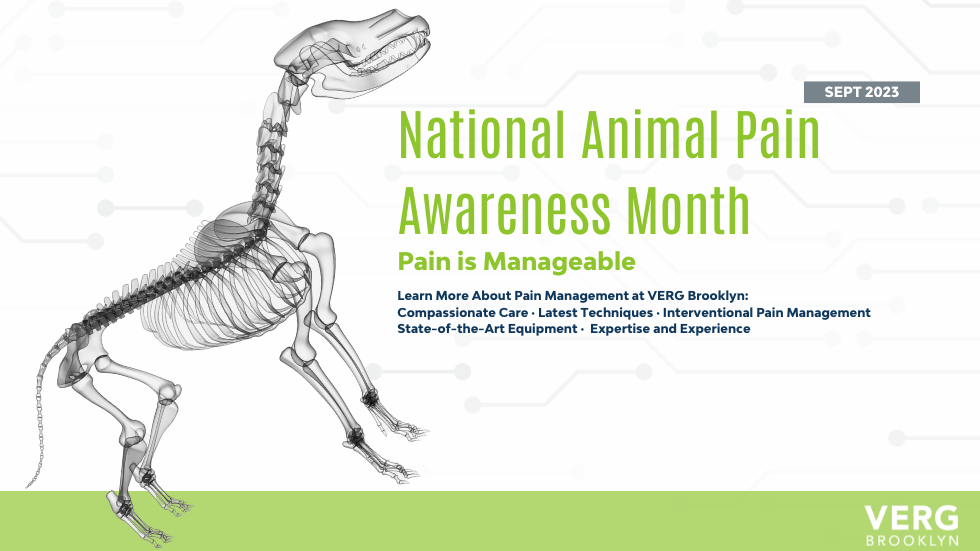
Elevate Pain Management with Our Veterinary Anesthesia Services
Pain is Manageable As September marks Animal Pain Awareness Month, we are excited to share how VERG is taking pain management to the next level. We believe that by working together, we can provide the best possible care for our patients, and we want to take this...

10 Ways to Protect Your Pet from Heatstroke
10 Ways to Protect Your Pet from Heatstroke During the height of summer, weather conditions can become more than miserable for your furry pal—they can be downright dangerous. Protect your pet from the threat of heatstroke with the following tips. #1: Monitor the...

Does My Pet’s Limp Require Medical Attention?
Does My Pet’s Limp Require Medical Attention? As pet owners, we always strive to ensure the well-being and happiness of our beloved furry companions. Therefore, when we notice our pets limping, it can be a cause for concern and prompt us to seek answers. When your...